
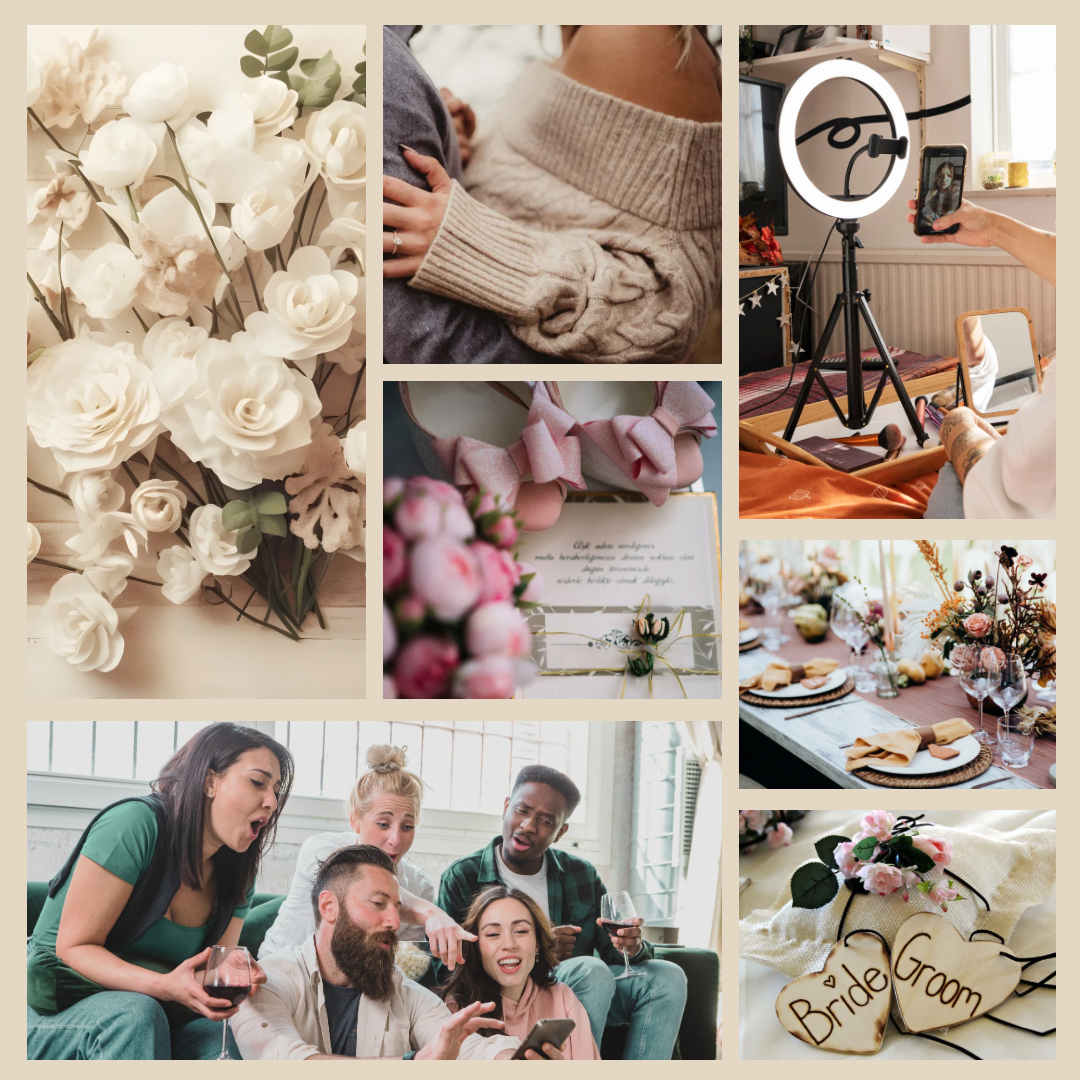
When Fallon Elle, a 31-year-old sociologist, announced her engagement on TikTok, her followers weren’t sure if they were watching the culmination of a fairytale romance or the beginning of a slow-motion train wreck. For months, they had tuned in religiously to Fallon’s viral series, The Fifth Spin Cycle, wherein she documented every twist and turn of her toxic situationship with Eric, a perennial grad student at Tufts University. What began as a candid peek into the world of modern dating became a phenomenon—part true crime, part soap opera, and all deeply, addictively entertaining.
Fallon had been with Eric, 33, on and off since college. Their situationship was a carousel of love bombing, devaluing, and ghosting—toxic behaviours in the world of modern romance. It was Fallon’s fifth time enduring Eric’s hot-and-cold routine when she decided to monetise his flakiness. Instead of lamenting his latest vanishing act, she set out to document it. While meticulously cataloguing his manipulative patterns, she invited her TikTok followers along for the ride.
Eric, an overgrown Peter Pan on his sixth year of a master’s program in politics, was everything relationship TikTok despised. While Fallon had built a life of structure and achievement, Eric floated by on scholarships and grants, his career spooling in a print queue. His modus operandi with Fallon was a familiar cycle of minimal effort—grandiose declarations of love when he felt her slipping away, followed by long silences where he’d act as if a simple text was an unbearable burden. Fallon recognised the pattern from binge watching relationship story videos on TikTok. Then she saw an opportunity.
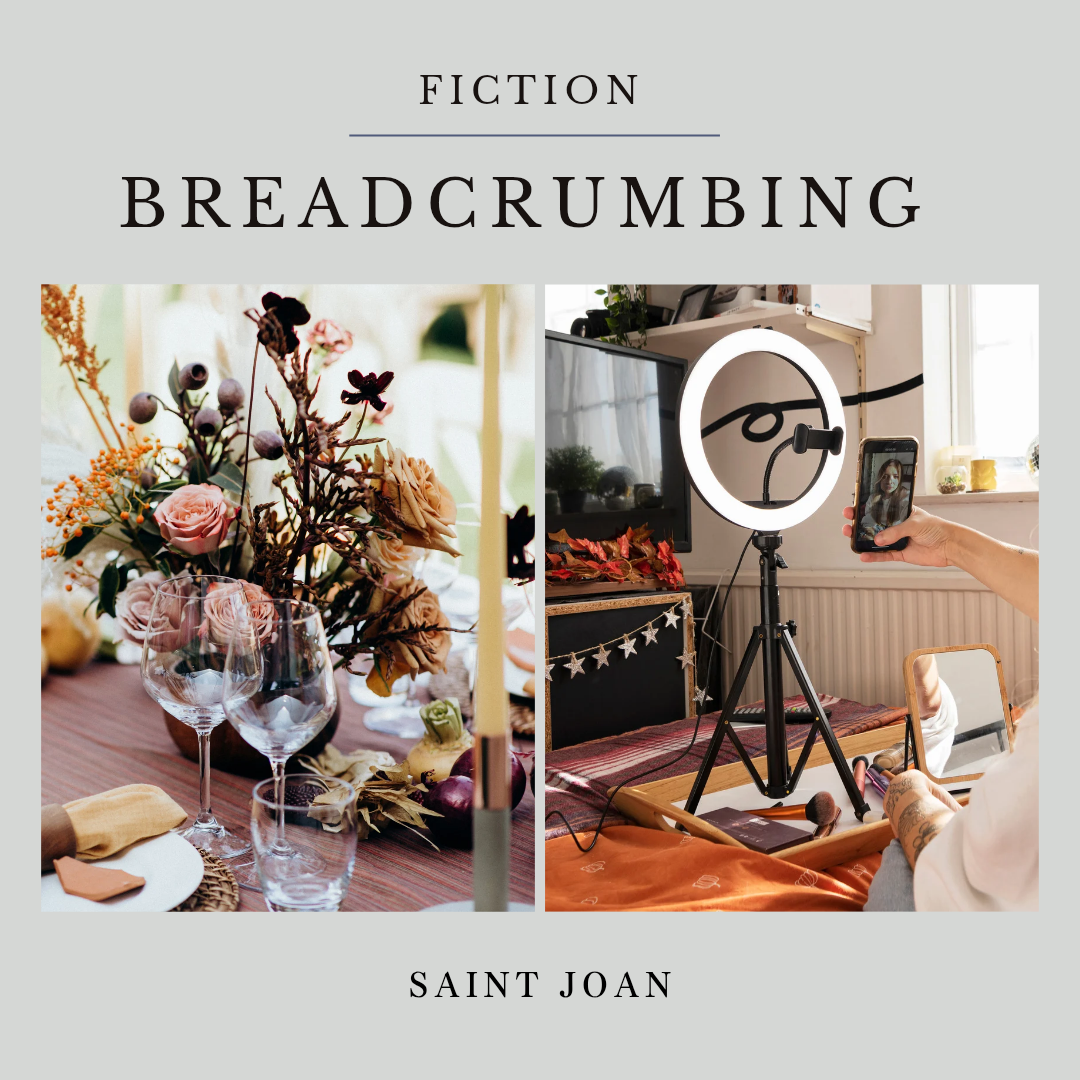
The Fifth Spin Cycle opened with a voiceover: “This is what it’s like to be involved with someone who keeps you in an endless spin cycle of love bombing, negging, and ghosting.” She used smart glasses to record their interactions, shared screen recordings of Eric’s late-night requests to “come over for food”, and even recreated conversations with the help of AI software. Her audience dissected his every word, offering running commentary in their own stitches. They sounded like sports analysts during a high-stakes game.
But what finally set the Internet on fire was Fallon’s ultimate stunt. Eric, in a burst of performative passion, had proposed marriage. “Since we’re two ambitious people, let’s make it official,” he had said, unaware that his every word was being documented for an audience. Fallon enthusiastically agreed. She had already launched her own production company to support her TikTok creator account. Her decision paid off because what followed was an engagement that felt more like performance art than a prelude to marriage.
The ring shopping was on brand for Eric’s style of flakiness. Fallon filmed herself trying on dazzling diamond rings at Tiffany & Co. and Bvlgari, while Eric muttered about needing more time to think. (Ultimately he never picked up the chosen ring.) Next, they visited bespoke wedding stationers but couldn’t seem to agree on anything. Eric turned choosing fonts into a philosophical dilemma about societal expectations.
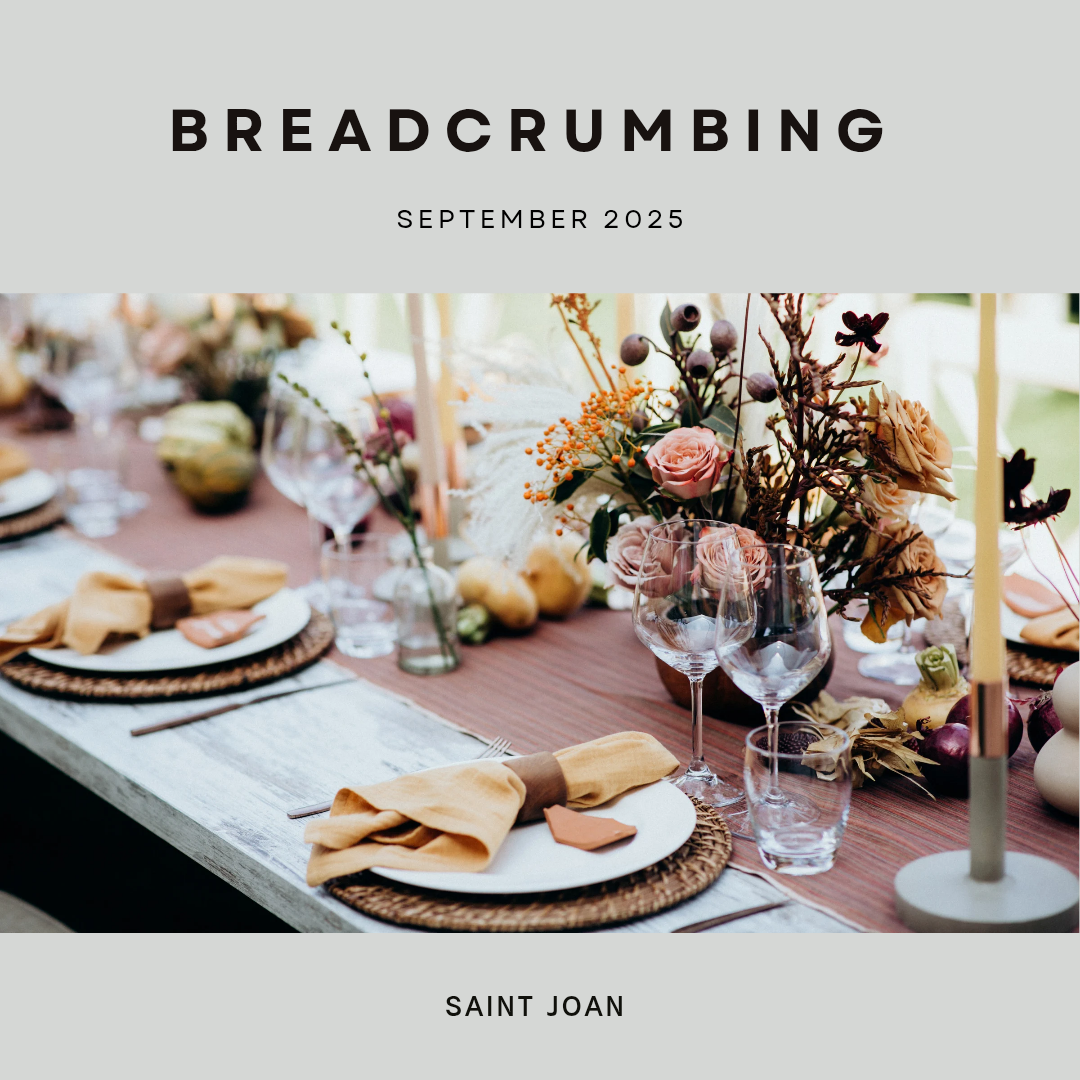
When it came time to plan the engagement party, Fallon pulled out all the stops. The event was filled with “friends” who were, in reality, paid actors. The champagne flowed, the music soared. Her followers, who watched the event live, were glued to their screens, eagerly awaiting the moment when Eric would walk through the restaurant doors. Earlier that day, when Fallon asked how many of his family members would join the party, he picked a fight, hoping to provoke an explosive reaction. His fiancée remained infuriatingly calm so he punished her by not showing up. Neither did any of his family or friends.
As the date for the wedding approached, Eric dodged calls, made excuses, and started speaking in riddles about needing “to be patient” and feeling “suffocated.” Fallon, always three steps ahead, had already prepared her audience for the inevitable. When he finally broke things off, it was through a text message that perfectly showcased his passivity and faux vulnerability.
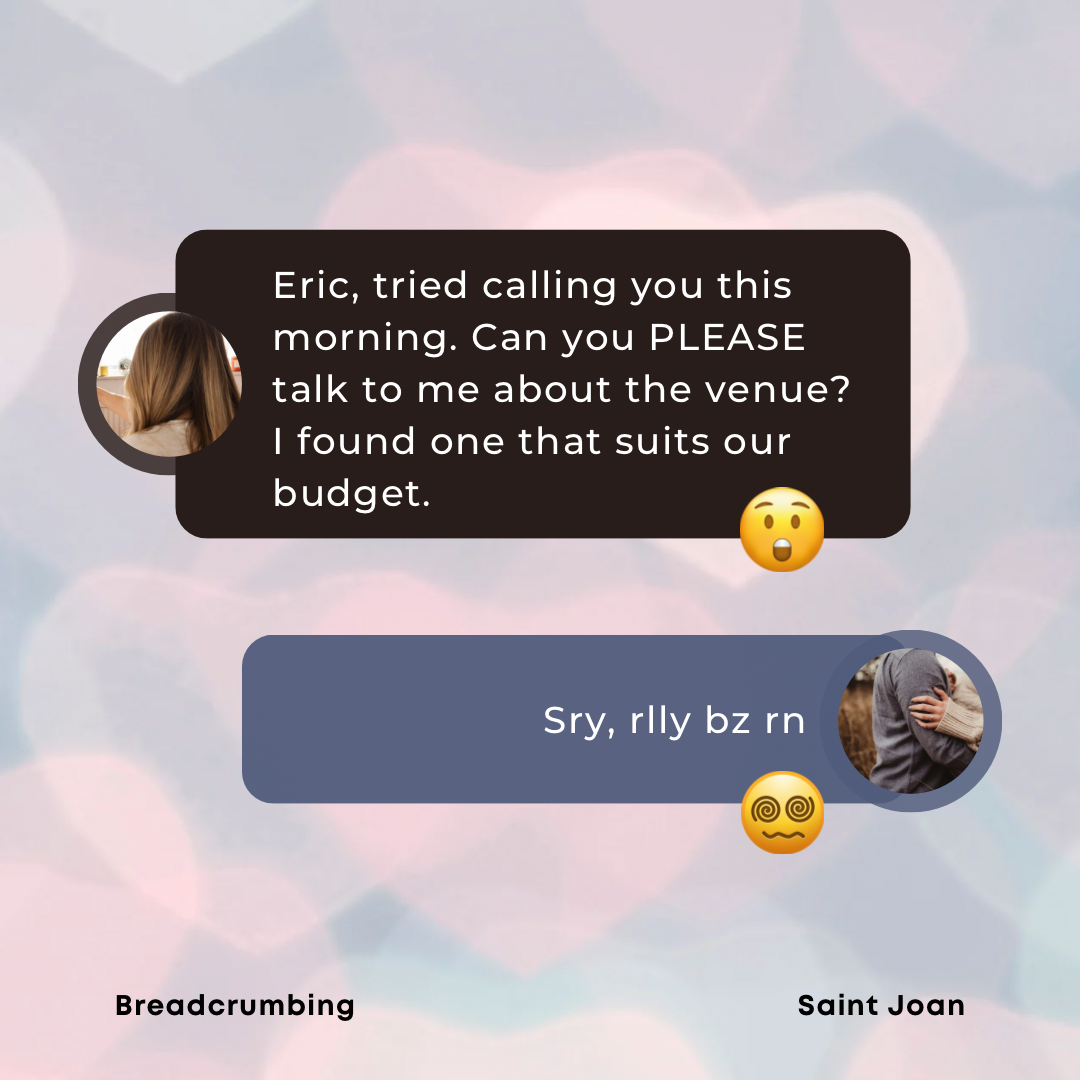
Fallon went live on TikTok the moment his text came through. She had an AI voiceover read it aloud, delivering his clichés in a robotic monotone as her followers listened in real-time. The text began with,“I have never felt a connection like this before. The intense passion is why I keep coming back. I will always be in love with you, but too much time has passed, and I don’t know if we can get along.” As the voiceover droned on, viewers flooded the chat with popcorn emojis, cry faces, and virtual gasps. Fallon’s calm expression throughout only heightened the drama.
While the saga of Eric’s manipulations played out in real time, Fallon’s follower count skyrocketed. Within days of the engagement video, she had more than 300,000 followers, all eager to see how the story would unfold. By the time Eric sent his breakup text, Fallon had already surpassed 1.2 million followers, with the breakup live reaching more than three million views in under two hours.
Her TikTok account, once a modest space for self-reflection, had transformed into a viral machine, with each new episode drawing in thousands of new followers who analysed every frame, and dissected each breadcrumb Eric left behind. Media outlets began to cover the story of the almost-wedding, turning Fallon into a global sensation. Within weeks, she was fielding offers from brands and production companies, each hoping to capitalise on her newfound fame.
Fallon was meticulous about protecting her content; she had sought legal advice to ensure Eric’s likeness and personal information remained untraceable. This prevented him from issuing any takedown notices in an attempt to stifle her voice.
And Eric? The man himself remains an enigma. His identity has never been revealed, and Fallon, despite the encouragement of her fans, has refrained from unmasking him. Perhaps it’s a final act of control in a relationship where he had always held the reins—until he didn’t.
For Fallon, the saga was not just about revenge but about holding herself accountable. She took a story that could have ended with quiet heartbreak and turned it into a model for emotional resilience and entrepreneurial savvy.
And as her followers continue to dissect every twist of The Fifth Spin Cycle, one thing is clear: when life gives you breadcrumbs, sometimes the best thing you can do is make a feast.
 Saint Joan
You must be logged in to post a comment.